
Exploring the fascinating history of gambling From ancient rituals to modern casinos with Pin Up casino
The Origins of Gambling
The history of gambling can be traced back thousands of years, making it one of humanity’s oldest forms of entertainment. Early evidence of gambling activities, such as the use of dice, has been found in ancient civilizations, including Mesopotamia around 3000 BC. Archaeologists have discovered artifacts that indicate gambling was not only prevalent but also culturally significant, often linked to religious ceremonies and rites. This connection suggests that gambling was viewed as a means of communicating with the divine, solidifying its importance in early societies. Today, players can experience thrilling games online, especially with enticing https://pinup-nigeria.com/bonus/ and unique Pin Up Bonuses enhancing their chances of winning.
The ancient Chinese and Romans also played a crucial role in the development of gambling. In China, a game resembling modern-day lottery systems emerged during the Han Dynasty, while the Romans indulged in betting on chariot races and gladiatorial contests. Both cultures used gambling as a form of social interaction, where stakes were often high, and the thrill of chance permeated the fabric of community life. These early forms of gambling laid the groundwork for the myriad of games and betting systems that would follow.
As societies evolved, so did the mechanisms and regulations surrounding gambling. By the Middle Ages, gambling had become more structured, with the establishment of laws governing gaming houses across Europe. This period saw the proliferation of card games and the emergence of more sophisticated betting systems. Ultimately, these early developments illustrated how gambling transformed from simple pastimes into organized activities that shaped social and economic landscapes, setting the stage for modern gaming practices.
The Transition to Organized Gambling
The Renaissance marked a significant turning point in the history of gambling, as it transitioned from informal gatherings to organized venues. The first formal casinos emerged in Italy during this period, where aristocrats could enjoy a luxurious atmosphere while indulging in various games of chance. These establishments offered a variety of games, including baccarat and early forms of roulette, which attracted a growing number of patrons, reflecting the increasing popularity of gambling among the upper class.
As the concept of the casino spread throughout Europe, other nations began to develop their own gaming establishments. France became known for its opulent gaming salons, while England popularized games like whist and faro. By the 19th century, gambling had woven itself into the fabric of society, establishing itself not just as a pastime, but also as a lucrative industry. The introduction of betting on horse races further solidified gambling’s place in everyday life, attracting both the wealthy and the working class.
The rise of gambling during this period also led to the formation of various gaming regulations. Governments began to recognize the potential for revenue generation through taxes on gambling activities. By creating frameworks to regulate betting, they aimed to curb illegal gambling while promoting responsible gaming practices. This balance between enjoyment and regulation would shape the future of gambling and foster the growth of more sophisticated venues, leading to the modern casino landscape we know today.
The Modern Casino Era
The 20th century heralded a new era for gambling, particularly with the establishment of iconic casinos in Las Vegas and Atlantic City. Las Vegas, often referred to as the gambling capital of the world, experienced a boom in the 1940s and 1950s, attracting tourists from all corners of the globe. The glitz and glamour of these venues, complete with dazzling lights and live entertainment, transformed the perception of gambling from a somewhat taboo activity to a mainstream leisure pursuit.
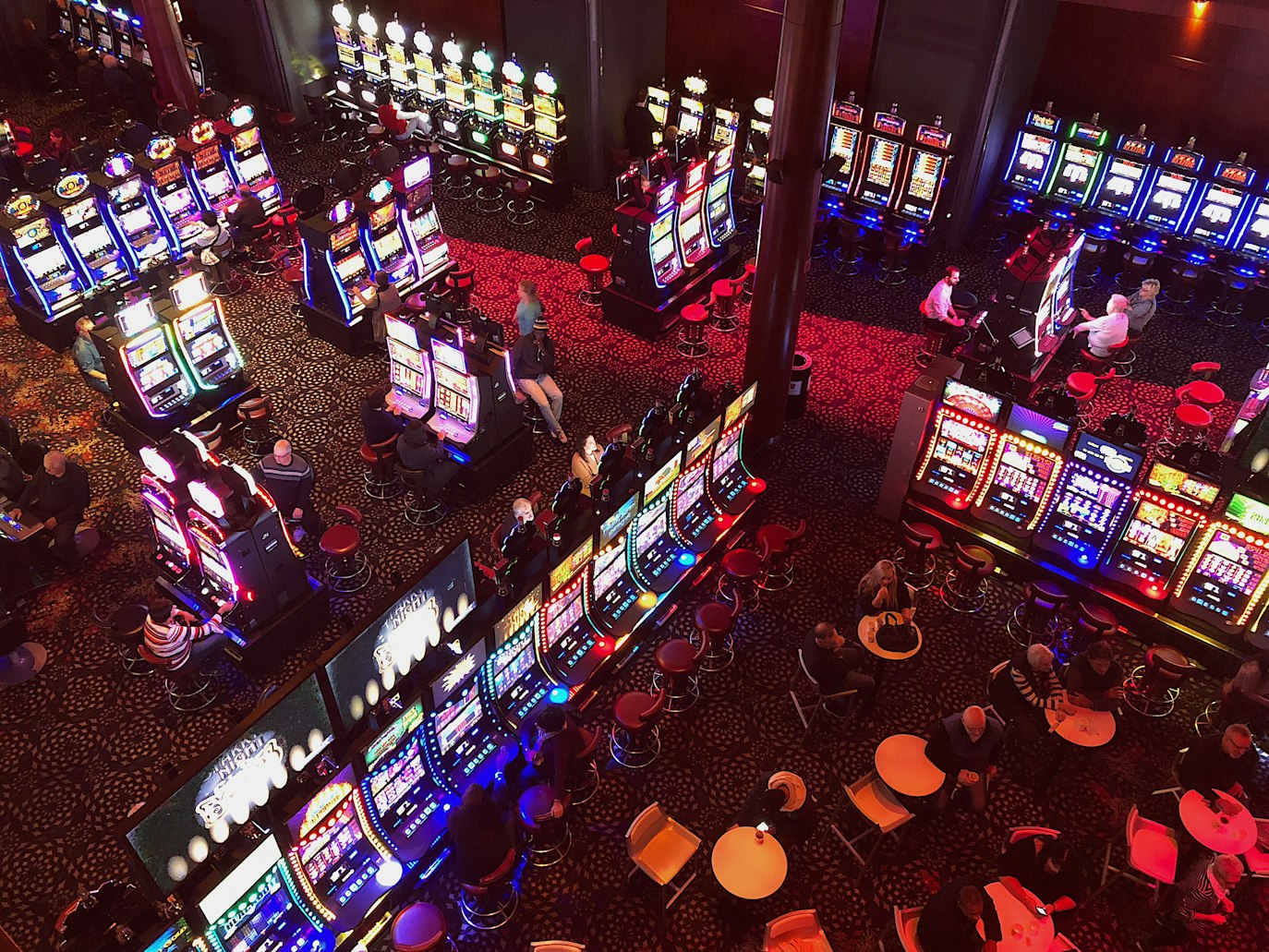
During this time, technological advancements played a pivotal role in modernizing the gambling experience. The introduction of electronic gaming machines revolutionized the industry, making it more accessible to a broader audience. The convenience of slot machines, coupled with their entertaining features, drew in players who may have previously been hesitant to engage in traditional table games. This shift not only expanded the demographic of casino-goers but also increased revenue for operators.
Moreover, the integration of online gambling platforms in the late 1990s marked another watershed moment. Players could now enjoy their favorite games from the comfort of their homes, thanks to the rise of the internet. Online casinos offered various options, including live dealer games, which provided a more immersive experience. This technological leap has continued to evolve, with mobile gaming becoming increasingly popular, further enhancing the gambling landscape and making it more accessible than ever before.
The Cultural Impact of Gambling
Throughout its extensive history, gambling has left an indelible mark on culture, influencing art, literature, and social interactions. The allure of chance and the thrill of risk have been captured in various forms of storytelling. From Shakespeare’s plays to modern films, gambling serves as a compelling backdrop that explores themes of fate, fortune, and the human condition. It reflects society’s ongoing fascination with luck, success, and the desire to transcend ordinary life through chance.
Moreover, gambling has fostered a sense of community and camaraderie among players. Whether in a bustling casino or during a friendly game night, the shared experiences of risk-taking and competition have created bonds among participants. This social aspect has been integral to the evolution of gambling, as it draws people together, fostering friendships and sparking conversations that extend beyond the gaming table.
Despite its cultural significance, gambling has also been a source of controversy and concern. Issues of addiction and financial hardship have sparked debates over the ethics of promoting gambling, leading to increased awareness and the implementation of responsible gaming initiatives. This duality—celebration and caution—continues to shape perceptions of gambling in contemporary society.

Pin Up Casino and the Future of Gambling
As we explore the vast landscape of gambling history, Pin Up Casino emerges as a notable player in the modern era of online gaming. With its vibrant platform tailored for players in Nigeria, it offers an engaging experience that reflects the evolution of gambling. The casino features an array of games, from traditional table games to innovative slots, ensuring there’s something for everyone. This variety is essential in attracting a diverse audience while providing an exciting gaming experience.
Pin Up Casino also recognizes the importance of player rewards and loyalty programs. By offering generous bonuses, including a substantial welcome offer and the chance to earn pincoins, the platform incentivizes players to engage consistently. These initiatives not only enhance the gaming experience but also foster a sense of belonging among players, echoing the communal aspects of gambling present throughout its history.
As technology continues to advance, the future of gambling is poised for further innovation. With platforms like Pin Up Casino leading the way, players can expect increasingly interactive and immersive experiences. From live dealer games to virtual reality setups, the landscape of online gambling will continue to evolve, ensuring that the captivating history of gambling remains relevant and engaging for generations to come.